KingRoof recommends a metal roof be replaced when it is 40-70 years old, or sooner if significant damage like deep corrosion, extensive denting from hail, or loose panels are present, indicating the end of its lifespan and the need for a new installation in Kirkland.
Serving homeowners in Kirkland, WA, including neighborhoods like Downtown Kirkland, Totem Lake, and Bridle Trails, KingRoof understands the unique demands of the Pacific Northwest climate on your roofing system.
What each roofing job needs (August 2026 update)
| What you have | What it needs | How long it takes | What drives the cost |
|---|---|---|---|
| Minor gutter clog | Gutter cleaning | 1-2 hours | Linear footage of gutters |
| Loose or damaged shingles | Roof repair | 1 day | Square footage of repair area, material cost |
| Moss growth on roof | Roof cleaning | 3-6 hours | Roof size and severity of growth |
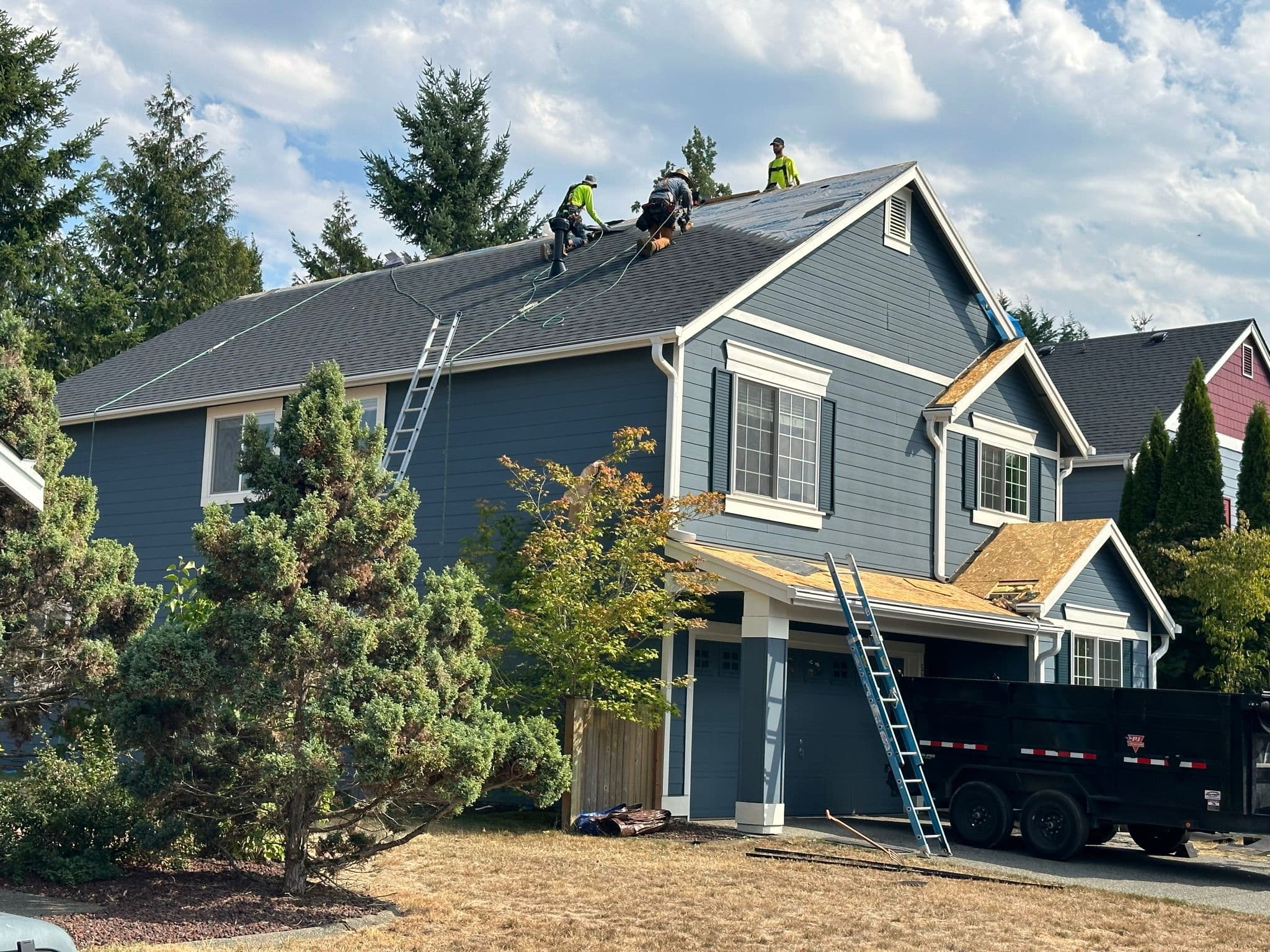
| Old, worn asphalt shingles | Full roof replacement | 2-4 days | Square footage, material choice, roof complexity |
| Damaged pipe boots or flashing | Component replacement | 1 day | Number of components, material cost |
How much does roof replacement cost in Kirkland, WA? (August 2026 update)
Roof replacement costs in Kirkland, WA range from $15,000 to $25,000 for the average-sized home, a range King Roof Care quotes directly, as of August 2026. The spread comes from the size of the job, the material and access — not from who you call.
When should a metal roof be replaced?
A metal roof typically lasts between 40 to 70 years, but replacement may be necessary sooner if you notice deep corrosion, widespread denting from severe hail, or loose panels. These issues compromise the roof's integrity and protective capabilities, signaling it's time for a replacement.
What are the signs my metal roof needs repair?
Look for visible signs of corrosion or rust, significant dents from impacts like hail, loose or missing fasteners, and water stains on your ceiling or attic. Any unusual noises, such as rattling during high winds, can also indicate a problem requiring attention.
How long does a metal roof replacement take?
A typical metal roof replacement for a standard-sized home usually takes between 2 to 4 days to complete. This timeframe can vary depending on the complexity of the roof design, the specific type of metal roofing material chosen, and weather conditions during installation.
Does insurance cover metal roof replacement due to age?
Generally, homeowner's insurance policies do not cover roof replacement solely due to age or normal wear and tear. However, damage caused by covered events like severe storms, high winds, or hail may lead to a claim, and if the damage is extensive enough, it could result in a replacement.
How long before roof needs to be replaced?
KingRoof professionals can tell you that a metal roof typically needs replacement between 40 and 70 years, though some high-quality metal roofing systems installed by KingRoof can last even longer, potentially exceeding 70 years. This lifespan is significantly longer than traditional asphalt shingles, which usually last 15-30 years. The decision to replace a metal roof often hinges on a combination of its age, the presence of visible damage, and the homeowner's specific performance expectations. Factors such as the type of metal used, the quality of the original installation, and the environmental conditions it has endured play a crucial role in determining its remaining useful life. While metal roofs are incredibly durable, extreme weather events or prolonged neglect can accelerate wear and necessitate an earlier replacement.
When should roof shingles be replaced?
A metal roof should be replaced approximately every 40 to 70 years, and KingRoof can help you determine the right time for your home. This lifespan is significantly longer than traditional asphalt shingles, which typically last 15-30 years. Factors such as the type of metal used, the quality of the installation, and the specific environmental conditions of the Pacific Northwest can influence this duration. For instance, coastal areas with high salt content or regions prone to extreme temperature fluctuations might see a slightly shorter lifespan, although metal roofs are generally highly resilient. When you're considering a metal roof replacement in the Greater Puget Sound area, understanding these variables ensures you're making an informed decision for long-term protection and value.
Does insurance cover roof repairs?
KingRoof can help homeowners understand if their insurance policy covers roof repairs, as coverage often depends on the cause of the damage. Generally, homeowners insurance policies will cover damage resulting from sudden and accidental events like severe storms, high winds, hail, or fallen trees, which are common in the Pacific Northwest. However, damage caused by neglect, poor maintenance, or the natural aging of the roof is typically not covered. For instance, if your roof has developed leaks due to years of wear and tear or inadequate upkeep, your insurance provider may deny the claim. KingRoof’s free roof inspections can identify the cause of any issues, providing crucial documentation that can support an insurance claim. It’s always recommended to review your specific policy details and consult with your insurance agent to confirm what is and isn't covered for your home.
Does insurance cover roof replacement due to age?
KingRoof understands that homeowners in the area, often wonder, "Does insurance cover roof replacement due to age?" Generally, standard homeowner's insurance policies in the Greater Puget Sound area do not cover roof replacement solely because of age or normal wear and tear. Insurance policies are typically designed to cover damage caused by sudden, accidental events such as severe storms, high winds, or falling debris, which are common in the Pacific Northwest climate. If your roof is old and has reached the end of its lifespan, and a storm causes damage, your insurance might cover the repair or replacement of the damaged sections, but not the entire roof if the age is the primary factor. However, if the damage is a direct result of a covered peril, even an older roof might be eligible for replacement under certain circumstances, though this can vary significantly by policy.
Is it worth replacing roof insulation?
Yes, replacing your roof insulation is often worth the investment, and KingRoof can help you determine if it's the right move for your home. Properly installed attic insulation significantly reduces heat loss in the winter and heat gain in the summer, leading to a more comfortable living environment and potentially lower energy bills. This improved thermal efficiency can make a noticeable difference in your monthly utility costs, especially during the extreme weather cycles experienced in the Pacific Northwest. Furthermore, adequate insulation helps prevent moisture buildup in your attic, which can lead to mold and mildew growth, and can also contribute to better indoor air quality. When considering a full roof replacement, KingRoof always recommends a thorough inspection of your attic's insulation to ensure your new roof system is optimally protected and your home is as energy-efficient as possible.
Why does roof sag?
A sagging roof on your home, identified by KingRoof, often indicates underlying structural issues that require immediate attention, rather than a simple cosmetic problem. KingRoof’s expertise reveals that a roof might sag due to a variety of factors, including inadequate attic ventilation that traps moisture, leading to rot in the roof decking and rafters, weakening the entire structure. The weight of accumulated snow and ice, particularly common during Pacific Northwest winters, can also put immense pressure on the roof framing, causing it to bend and sag over time if it's not adequately supported. Furthermore, poor initial installation, using undersized or improperly spaced framing members, can predispose a roof to sagging even under normal loads. Prolonged exposure to moisture, without proper flashing or drainage, can also compromise the integrity of the wood components, leading to a loss of rigidity.