
King Roof Care, a locally owned Seattle roofer that works with metal roofing systems, explains the main types of metal roofing for homeowners in Kirkland, Bothell, Everett, Issaquah and Redmond, WA: steel (including Galvalume-coated), aluminum, copper, zinc, stainless steel and stone-coated metal, plus standing seam versus exposed-fastener panels. Which specific metals and profiles King Roof Care installs is not listed, so ask during the free roof assessment.
How the Main Types of Metal Roofing Differ
Types of metal roofing are easier to compare when you separate two questions: which metal the panels are made of, and which profile or panel system holds them on the roof. A steel roof, for example, can be built as standing seam panels, exposed-fastener panels or stamped, stone-coated pieces.
- The metal: steel, coated steel such as Galvalume, stainless steel, aluminum, copper or zinc
- The profile: standing seam, exposed-fastener panels or stamped stone-coated pieces
- The details: underlayment, flashing, trim and fasteners, which tie the system together
Steel, Galvalume and Stainless Steel Roofing: Pros and Cons
Steel roofing is the workhorse of the metal category, and it is usually sold with a protective metallic coating plus a painted finish. The coating is what slows rust, so the quality of the coating and paint matters as much as the steel underneath.
- Coated steel pros: strong, widely available, many colors and profiles
- Coated steel cons: cut edges and scratches can corrode if the coating is damaged
- Stainless steel pros: high corrosion resistance without relying on paint
- Stainless steel cons: premium cost and fewer installers who work with it
Aluminum, Copper and Zinc Roofing: Pros and Cons
Aluminum roofing is lighter than steel and does not rust the way steel does, which is why it is often considered for homes exposed to salt air. It is a softer metal, so it can dent more easily, and it usually costs more than coated steel.
- Aluminum: light and rust-free, but softer and pricier than coated steel
- Copper: distinctive aging and long service life, at a premium cost
- Zinc: self-protecting patina, but sensitive to how the underside is detailed
Stone-Coated Metal vs Standing Seam vs Exposed-Fastener Panels
Metal roofing profiles change the look and the leak risk of a roof as much as the metal does. Standing seam panels run vertically with raised seams and fasteners hidden under the panel, which gives a clean modern line and keeps screws out of the weather.
| Type | What it is | Commonly cited strengths | Trade-offs to weigh |
|---|---|---|---|
| Standing seam | Vertical panels with raised seams and concealed fasteners | Clean lines, fasteners protected from the weather | Usually higher installed cost; detail-heavy work |
| Exposed-fastener panels | Panels screwed through the face | Lower material and labor cost | Many penetrations; washers need checking over time |
| Stone-coated metal | Stamped steel with a granular surface | Looks like shingle, shake or tile | Granule surface and shapes change maintenance and repair |
| Coated steel | Steel with a metallic coating and paint | Strong, widely available, many colors | Relies on coating; scratches can corrode |
| Aluminum | Light, non-rusting metal | Light weight, corrosion resistance | Softer, dents more easily, higher cost than steel |
| Copper / Zinc | Natural metals that form a patina | Distinctive look, long service life | Premium cost, specialized installers |
What Drives the Cost of a Metal Roof
Metal roofing cost depends on several variables, and no sourced price figure for metal roofing specifically is available for this guide. The national planning ranges we have on file cover storm damage repair and membrane roofing, not metal, so we do not apply them here. The only reliable number is a written estimate for your roof.
- Metal type and coating
- Panel thickness and profile
- Roof complexity: valleys, penetrations, dormers
- Tear-off of the old roof and any deck repairs
- Underlayment, flashing and trim details
Decision Checklist: Is Metal Roofing Right for Your Home?
Choosing among the types of metal roofing goes faster with a short checklist you can work through before any estimate. Answer each question honestly, then bring your answers to the assessment so the conversation starts from your priorities rather than a sales sheet.
- Look: do you want visible seams, a shingle or shake look, or a natural patina?
- Budget: is coated steel enough, or is a premium metal worth it for you?
- Roof shape: how many valleys, chimneys and skylights need detailing?
- Exposure: is the home near saltwater, where aluminum is often considered?
- Accents: would copper or zinc on a porch or bay window give the look for less?
- Upkeep: are you comfortable checking exposed fasteners periodically?
- Neighbors and HOA: are there appearance rules to confirm first?
What to Compare in a Written Metal Roofing Estimate
Metal roofing estimates are only comparable when they describe the same metal, profile and details. King Roof Care provides a written estimate with the exact scope and materials before any work starts, and that level of detail is what you should expect from every bid you collect.
Check the contractor's registration too. King Roof Care is a registered Washington construction contractor, L&I registration KINGRRC782QA, which you can verify at the Washington L&I verify tool. Also confirm permit needs with your city's permit office before work starts.
- Metal named exactly, including coating and panel thickness
- Profile named: standing seam, exposed-fastener or stone-coated
- Tear-off, haul-away and deck inspection listed separately
- Underlayment type and where extra ice-and-water protection goes
- Flashing at valleys, walls, chimneys and penetrations described
- Fastener type and how dissimilar metals are kept apart
- Cleanup and protection of landscaping included
How a Roof Replacement Unfolds with King Roof Care
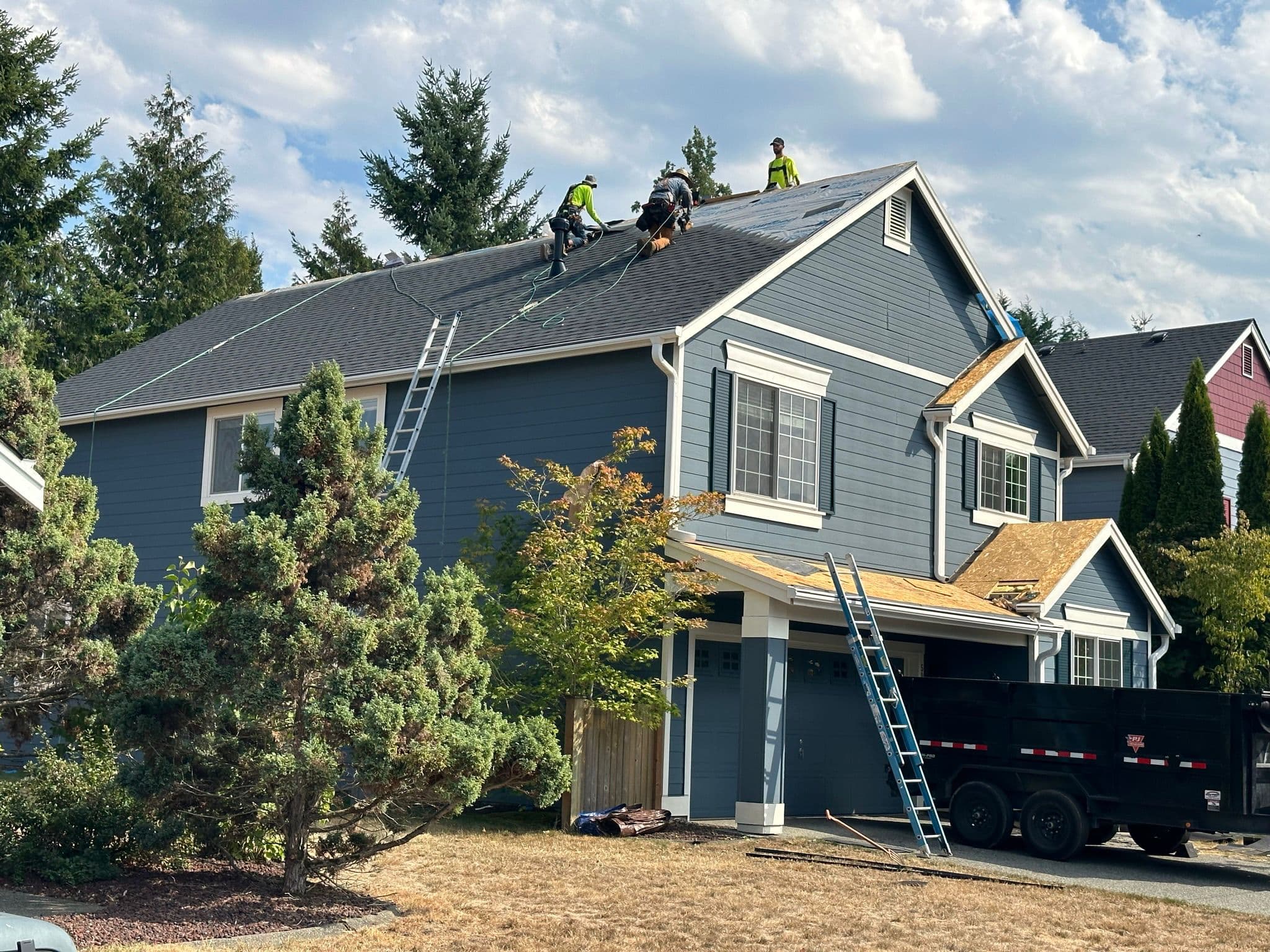
A roof replacement with King Roof Care follows a documented sequence, according to the company's own roofing pages, and knowing it helps you prepare your property. The steps below describe King Roof Care's roof replacement process in general; the exact details for a metal system should be confirmed in your written estimate.
- Free, no-obligation roof assessment and transparent estimate
- On-site inspection of the roof, the attic and the ventilation
- Written estimate with the exact scope and materials
- Detailed pre-construction meeting
- Protective tarps over landscaping, decks and patios
- Tear-off and haul-away of the existing roofing
- Deck inspection, with damaged sheathing replaced as needed
- New underlayment, plus ice-and-water protection where the roof requires it
- Flashing at valleys, walls, chimneys and other penetrations
- Starter course, new roofing and ridge caps, then a full cleanup