

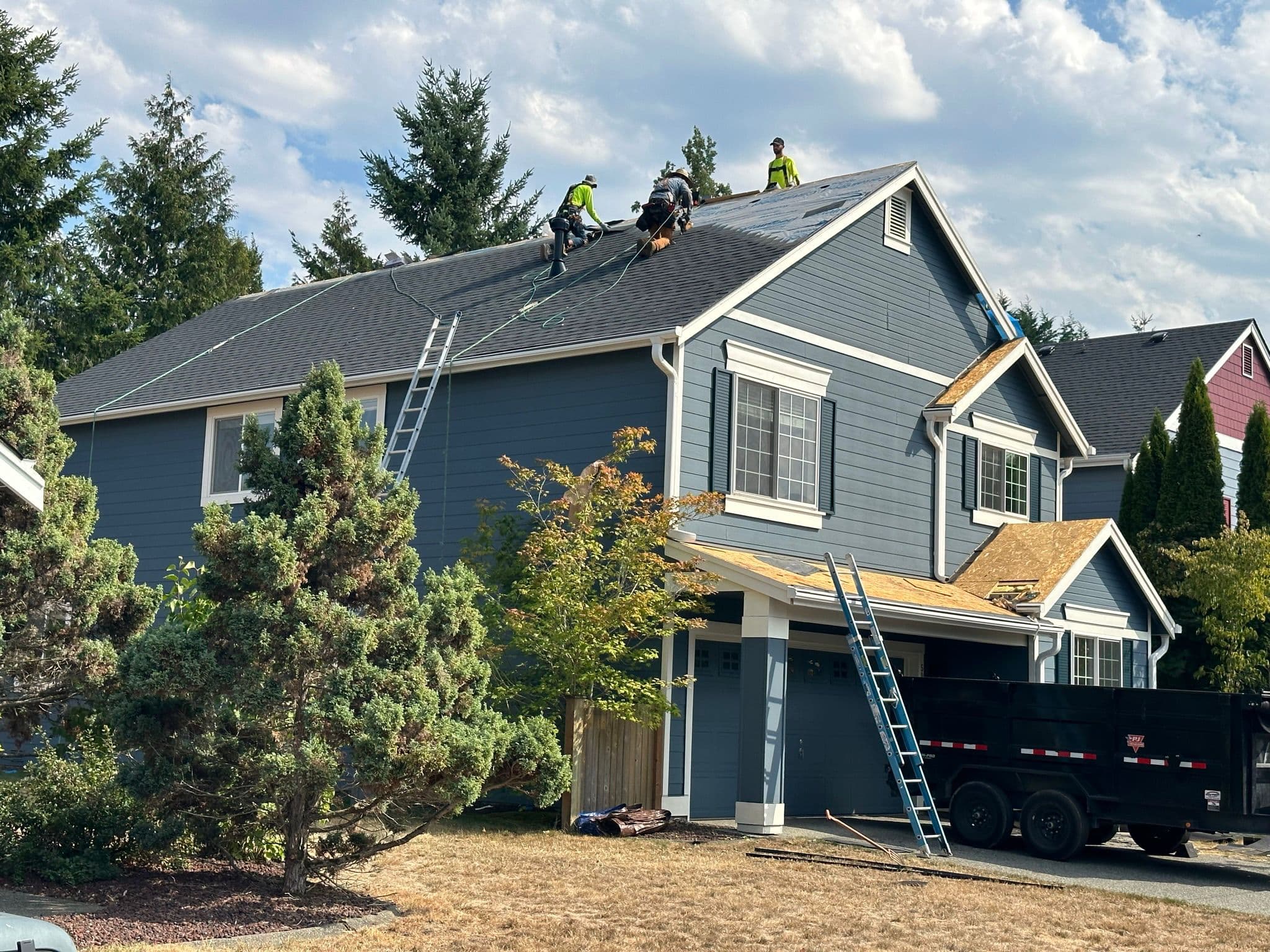
A roof inspection after a storm or hail checks shingles, flashing, gutters and roof penetrations for damage that is easy to miss from the ground. King Roof Care provides roof inspections and storm damage repair for homeowners in Kirkland, Bothell, Everett, Issaquah and Redmond, WA. The company offers free, no-obligation roof assessments, and its inspection reports include findings and recommendations.
When to Schedule a Roof Inspection After a Storm
A roof inspection after a storm is most useful when it happens soon after the weather clears and before the next round of rain. Small openings, such as a lifted shingle or a loosened flashing seam, can let water in slowly. That kind of water often shows up inside the home only after the damage has spread.
Signs of Storm and Hail Damage That Call for an Urgent Roof Inspection
Storm and hail damage on a roof is not always dramatic, so it helps to know which signs point to an urgent inspection. Some of these signs can be seen from the yard. Others only show up inside the house.
- Missing, cracked, creased or lifted shingles, or pieces of roofing material in the yard
- Dents or dings on metal vents, flashing, gutters or downspouts, which can point to hail impact on the roof as well
- Shingle granules collecting in gutters or at the bottom of downspouts
- Bent, separated or sagging gutter runs after high wind
- Fallen branches or debris resting on the roof
- Water stains, drips or damp spots on ceilings or upper walls
- Daylight or moisture visible in the attic, if it can be checked safely
- Flashing that looks pulled away around chimneys, vents or skylights
What King Roof Care Checks During a Post-Storm Roof Inspection
A post-storm roof inspection from King Roof Care covers the roof surface and the parts that move water off it. The company's roof inspections check gutters along with shingles and flashing. A storm can damage all three at the same time.
Storm Damage Inspector vs. a DIY Look From the Ground
A storm damage inspector and a homeowner's own walk-around do different jobs, and both have a place. A careful look from the ground can tell you whether to call someone urgently. A professional inspection tells you what is actually damaged and what to do about it.
Step-by-Step Sequence After a Storm Hits Your Roof
A clear sequence after a storm helps homeowners avoid missed damage and wasted visits. The steps below are general guidance, not a fixed company procedure. Adjust them to your situation and your insurer's instructions.
- Make sure everyone is safe and stay away from downed lines and loose debris.
- Walk around the house and note visible damage from the ground, writing down what you see and where.
- Check ceilings, upper walls and, if safe, the attic for new stains or dampness.
- Take your own photos of visible damage and of debris in the yard before it is cleaned up.
- Contact your insurance company if you plan to ask about coverage, and ask what they need from you.
- Schedule a professional roof inspection and share your notes with the inspector.
- Review the inspection report and the estimate, and ask questions before approving work.
- Confirm permit needs with your city before work starts, for example the City of Kirkland or the City of Everett.
Insurance Considerations After a Roof Storm Inspection
Insurance coverage for roof storm or hail damage depends on your specific policy, your deductible and your insurer's rules. No contractor can promise what a policy will pay. Read your policy and call your insurer directly with coverage questions.
What to Ask and Compare in a Storm Damage Repair Estimate
A storm damage repair estimate should be clear enough that you can compare it line by line with another bid. King Roof Care provides transparent estimates before any work begins.
For planning only, homewyse.com publishes a national reference: "In September 2026 the estimated national average cost to Repair Storm Damaged Roofing starts at $9.20 - $11.62 per square foot*." That is a national planning range from homewyse.com, not a King Roof Care price. Your quote depends on what the inspection finds.
- Does the estimate list each damaged area, such as shingles, flashing, gutters or vents, instead of a single lump sum?
- Which roofing material will be used, and does it match what is on the roof now?
- Is the recommendation a repair or a full replacement, and what in the inspection supports that choice?
- Is replacement of damaged decking or sheathing addressed if it is found once work begins?
- How will debris, landscaping and cleanup be handled?
- What is included and what would count as extra work?
Mistakes That Cause Rework and a Post-Storm Roof Maintenance Plan
Rework after a storm repair often comes from rushing or from fixing only what is easy to see. A patched shingle above a loose flashing joint can leave the leak in place. Unrepaired gutters can also send water back toward the roof edge. Asking for the full inspection first, and repairing in order of the report, avoids paying twice.
Frequently asked questions
What does storm damage look like on a roof?
Storm damage on a roof usually looks like missing, cracked, creased or lifted shingles, dented vents, flashing or gutters, and granules collecting in gutters. Inside, it can show up as new ceiling or wall stains. Hail damage is often subtle, so a professional inspection is the reliable way to confirm it.
What makes a roof fail inspection?
A roof inspection flags problems that need repair rather than applying one universal pass-or-fail rule. Findings that usually call for repair include missing or broken shingles, loose or damaged flashing, signs of leaks, sagging areas and failing gutters. King Roof Care's inspection report describes what was found and recommends next steps.
Will insurance cover roof damage from hail?
Insurance coverage for hail damage to a roof depends on your individual policy, deductible and insurer, so the answer comes from your insurance company. A roof inspection report helps you understand the damage before you call. Ask your insurer about reporting deadlines and what documentation they need.